The transition to repairs has been completed, and the metal detection system has been installed for the first time.
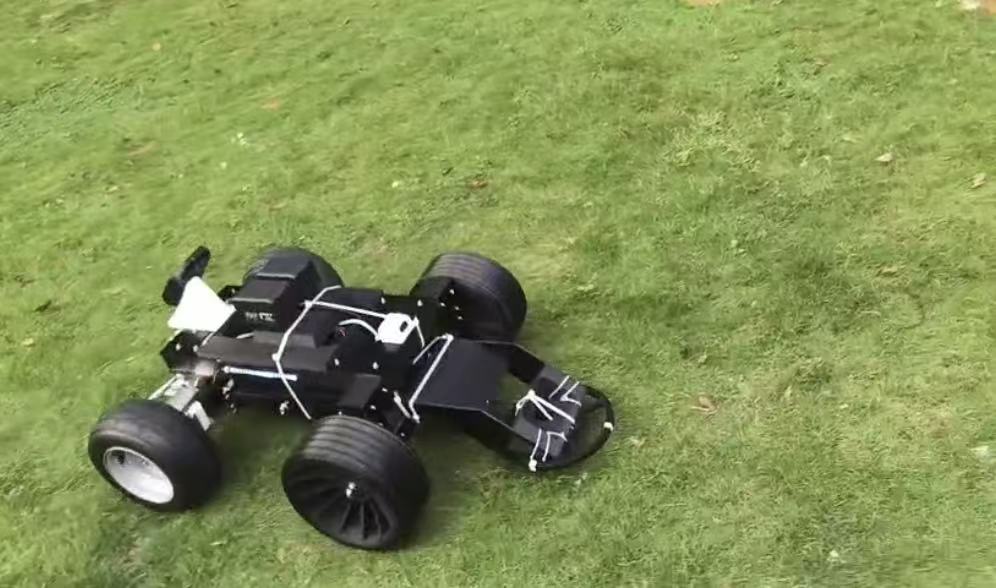
Based on the issues identified during our initial driving tests, we redesigned the steering system. We are pleased to report that the steering response of the Gen 2 detector has significantly improved. Following the completion of these improvements, we took the next step: installing the metal detection system onto the platform for the first time.
Operation Content
We tested the updated steering configuration on the same mixed terrain as before, and the exploration vehicle was able to navigate more narrow paths with improved maneuverability. Once the handling performance met the required standards, we installed the metal detection module and conducted a series of static and low-speed tests.
Issues identified.
Although both systems functioned normally when operated independently, we immediately noticed interference when they were running simultaneously. The metal detection readings became noisy and unstable, particularly when the vehicle’s motor was in operation or when the detection coil was close to chassis components. It is clear that the vehicle’s structure and electronic components introduced unnecessary noise into the detection signals.
Future plans.
It is necessary to isolate the detection system from the electrical and structural interference of the detection vehicle. We will address this challenge by addressing issues such as coil layout, shielding measures, and adjustments to the chassis design. This is a critical hurdle that must be overcome before meaningful field testing can begin.
Follow the build as it happens.
Early testers run the prototype on their own terrain and get first access to results. If you would rather back the build, the support page explains where the money goes.